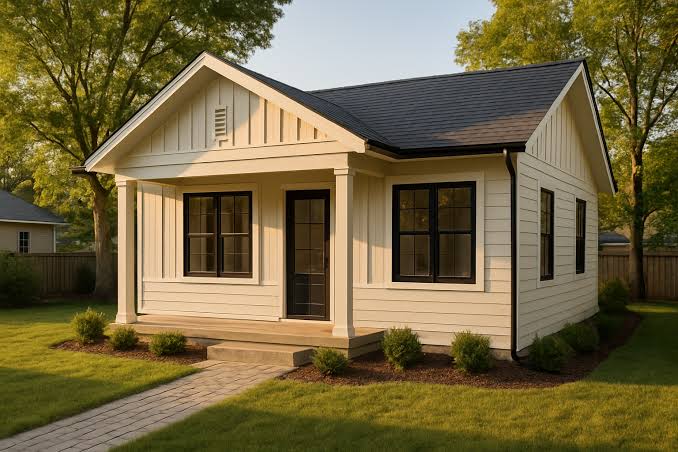
Detached vs Attached ADU: Which Unit Type Fits Your Property and Budget?
Last updated: September 10, 2026
Key Takeaways
- A detached 400 to 800 square foot unit can often be placed in a backyard without gutting the existing floor plan.
- Detached units usually require new exterior walls, a separate roof structure, and more site work.
- Detached ADUs usually give both households better sound separation and less day-to-day friction.
- Buyers usually understand a detached unit as a more independent asset.
Detached vs attached ADU: which unit type fits your property budget? Most of the time, the answer turns on lot size, utility access, and how much upheaval you can live with. Detached usually wins for privacy and rental appeal. Attached tends to make more sense when the budget is tight, the lot is smaller, or you want to keep more yard. In 2024, a typical detached 1-bedroom ADU in California often priced well above a simple attached conversion, according to state housing program guidance and local permit data. I write about housing and accessory dwelling units often enough to know the decision usually comes down to site constraints, utility runs, and budget.
The real difference between detached and attached ADUs
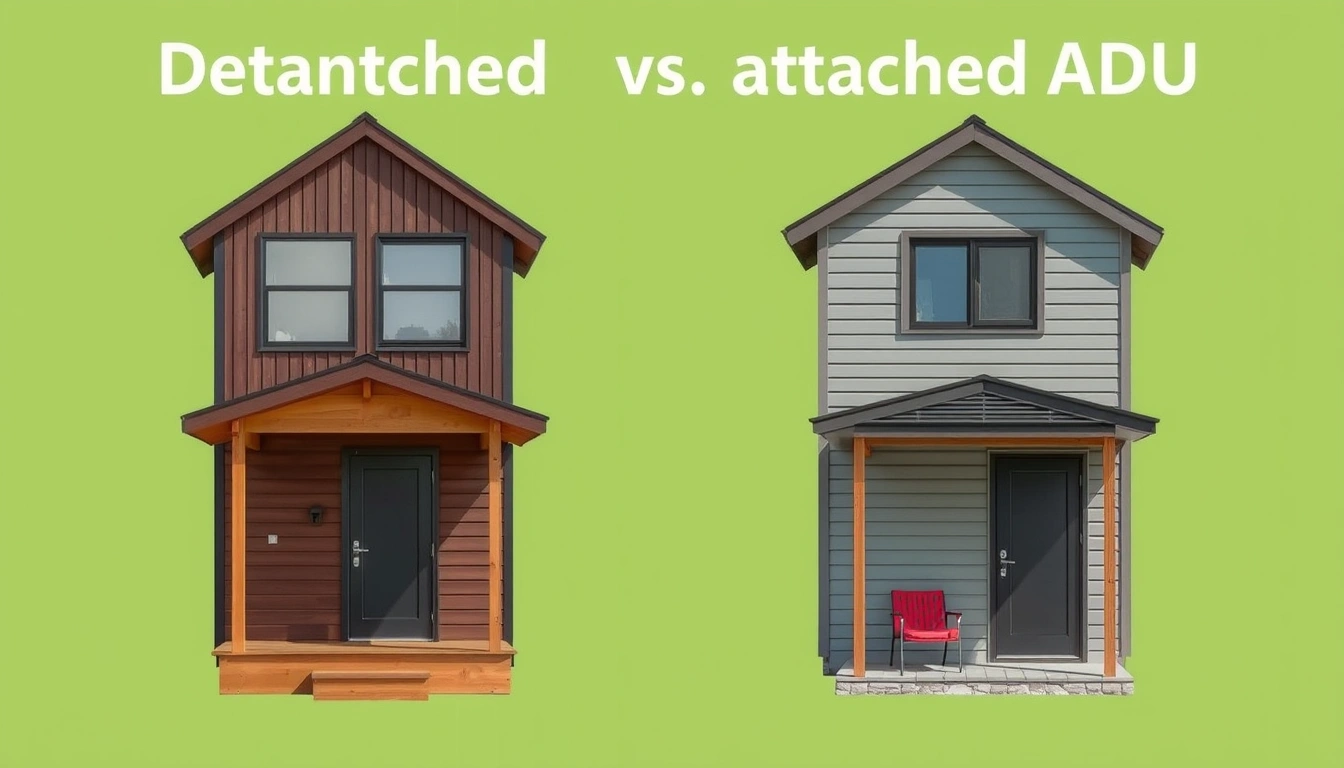
A detached ADU stands alone as its own small building; an attached ADU shares at least one wall with the primary home. Simple enough. But that single design choice ripples through everything else — foundation work, rooflines, utility connections, privacy, permit complexity, and how the place actually feels once someone lives there.
Detached units usually require new exterior walls, a separate roof structure, and more site work. More steps, more trades, more money. In most markets, the total budget goes up. Attached units can sometimes tie into an existing foundation or wall system, which trims structural work. They can also make it easier to use existing plumbing, electrical, and HVAC paths if the layout lines up.
But attached does not automatically mean simple. Old house? Cramped plan? Poor layout? Then an attached ADU can trigger pricey remodeling inside the main home. Honestly, that’s where a lot of “cheap” ideas go sideways. I’d be cautious about treating “attached” as a synonym for “inexpensive” unless the addition connects cleanly to an exterior wall with nearby utilities.
Use matters, too. Detached units are stronger when the goal is long-term privacy, a rental that feels independent, or a place for family that can age in place with fewer shared spaces. Attached units are stronger when the site is tight, the budget is narrower, or local rules make a smaller addition easier to approve. Different jobs. Different tools.
Which ADU type is better for your property?
Attached ADUs are better when your lot, setbacks, or utility layout make new freestanding construction awkward. Detached ADUs fit better when the yard has enough room for a separate structure and you want the unit to function like a true second home.
Site flexibility is the clearest dividing line. If buildable area is boxed in by side-yard setbacks, easements, mature trees, driveway access, or drainage, a detached unit can get expensive fast because the building has to fit the site instead of the site fitting the plan. An attached ADU can sometimes tuck into an existing footprint, garage edge, or rear elevation without chewing up as much open yard.
Privacy is the other big factor. Detached ADUs usually give both households better sound separation and less day-to-day friction. That matters if you plan to rent the unit, host adult relatives, or create a workspace that needs quiet. Attached ADUs can work well for multigenerational living, but the shared wall often means more noise transfer and less psychological distance. A little like sleeping next to a drum kit. Not ideal.
There is also a resale angle, though I would not oversell it. Buyers usually understand a detached unit as a more independent asset. Attached units can be very functional, but they sometimes read more like a conversion or addition than a separate dwelling, especially if the entrance is narrow or the floor plan depends on the main house for circulation.
If you want the shortest version: choose detached if the property can support it without squeezing the yard into unusable scraps; choose attached if the lot is tight or the existing house gives you a clean, code-compliant place to add space. For more planning context, see our ADU cost breakdown and lot feasibility guide.
Detached ADUs: where they win, and where they do not
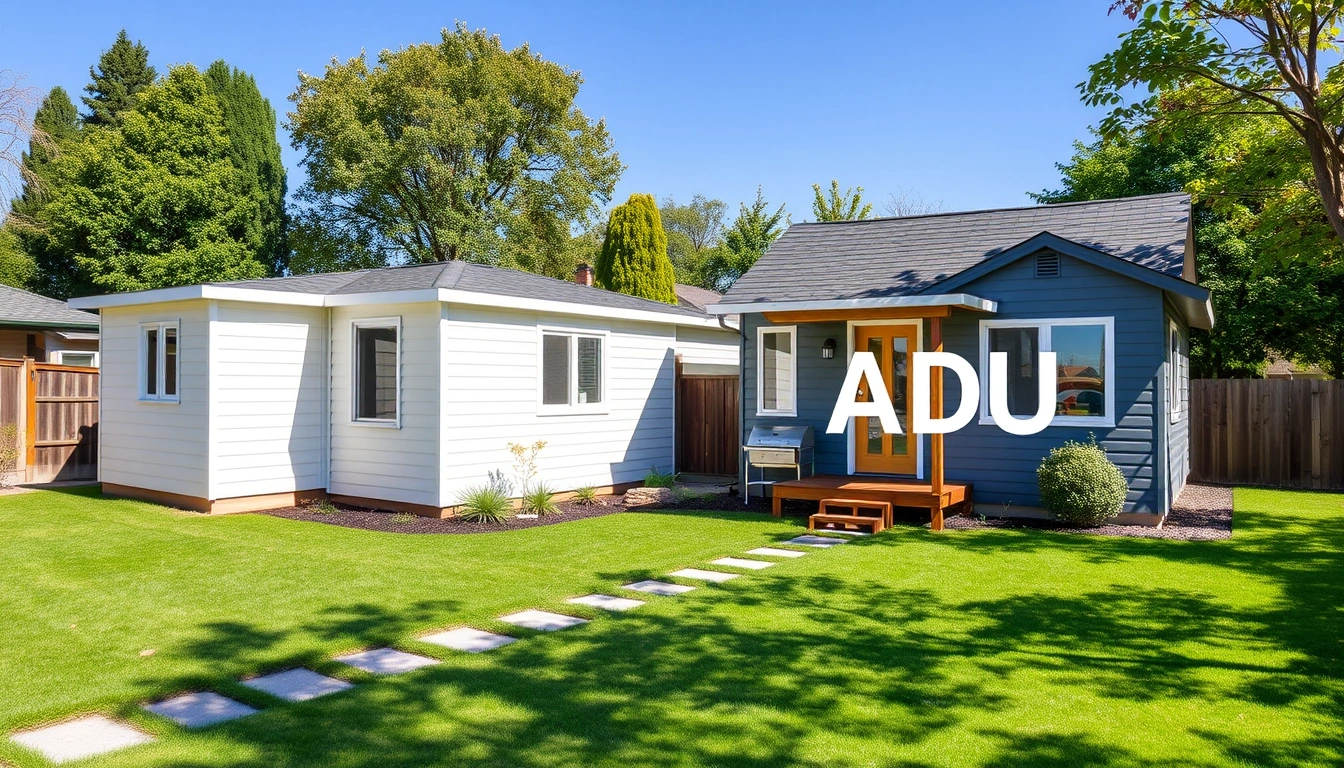
Detached ADUs win on independence. They fit best when you want the unit to behave like a small house instead of an extension of the main residence. That usually means a more marketable rental, more privacy for guests or relatives, and fewer compromises in layout.
They also tend to be the cleaner solution on properties where the main house has no easy expansion point. A detached 400 to 800 square foot unit can often be placed in a backyard without gutting the existing floor plan. In many jurisdictions, that separate-building format also helps keep the primary house intact while the new unit takes on its own identity. That part matters more than people think.
Cost pressure is the trade-off. Detached ADUs usually need more foundation, more exterior wall area, more roofing, and longer utility runs. Even if the square footage is similar to an attached unit, the envelope cost is often higher because every side of the building is “new.” If a project also needs trenching for sewer, water, and electrical service, the site work can become a large share of the total budget. In California, many detached ADUs still land in the low six figures before finish upgrades, according to state and local permitting summaries from 2023 and 2024.
They are not the right choice when the yard is already doing too many jobs: parking, play space, drainage, storage, and access. A detached unit can make a property feel crowded if it takes the only usable open area. They are also a poor fit if you need the lowest possible disruption to the main house during construction; a backyard build still affects access, staging, and utility routing, but an attached addition can sometimes be planned more directly against an existing structure.
My rule of thumb: detached is the better long-term unit, but only if the lot can absorb it without turning the property into a patchwork of leftover space. For design ideas, our detached ADU plans page shows common layouts at 400, 600, and 800 square feet. Pretty straightforward.
Attached ADUs: where they win, and where they do not
Attached ADUs win on efficiency. If your property already has a logical connection point, an attached unit can avoid some of the cost and complexity that comes with a freestanding building. That makes it the better choice for homeowners who want a real ADU without spending as much on separate shell construction or major backyard site work.
They also make sense when you want to preserve more of the yard. That matters on smaller urban lots, corner lots with tricky access, or homes where outdoor space is already limited. If the backyard is one of the reasons you own the property, attached often protects that value better than a detached build.
The downside is compromise. Shared walls can mean more sound transfer, and the unit may feel less private unless the entry, windows, and circulation are handled carefully. Attached ADUs can also create awkward floor plans if the existing house was not designed for a second dwelling. I would be wary of any plan that forces the new unit through a hallway, laundry room, or side door that still reads as part of the main home.
There is a second drawback people sometimes miss: attached ADUs can disturb the primary residence more heavily during construction. If the project requires opening a wall, rerouting systems, or reworking fire separation, the main house may live through more demolition and interior disruption than a detached backyard build would cause. That can be a real headache.
Attached is not the right answer if your goal is a stand-alone rental with maximum privacy, or if the existing house is so constrained that the addition becomes a patchwork of compromises. It is also a weak choice when the property has room for a detached unit and the likely savings are modest. In that situation, the better long-term value often sits with the detached build. For permitting basics, see our ADU permit checklist.
The honest side-by-side
Attached and detached ADUs solve different problems. The right one depends mostly on land, utility access, and how separate you want the unit to feel.
| Criteria | Attached ADU | Detached ADU | Winner for condition |
|---|---|---|---|
| Site space needed | Less backyard area consumed | Needs a separate building pad and clear setbacks | Small lots |
| Privacy | Shared wall can reduce quiet and separation | Stronger privacy and sound separation | Rental or family use |
| Construction complexity | Can be simpler if it ties into existing structure | More exterior shell and site work | Tight budgets with easy attachment |
| Utility routing | Often shorter runs if near existing systems | Often longer trenching and service runs | Existing house with nearby utilities |
| Yard preservation | Preserves more open space | Uses more yard area | Properties where outdoor space matters |
| Resale appeal | Good, but can feel like an addition | Often reads as a more independent unit | Buyers wanting a second home feel |
| Construction disruption | Can affect the main house more directly | Usually keeps the main house more isolated from the build | Occupied primary residence |
| Permitting fit | Sometimes easier on constrained lots | Sometimes simpler if zoning clearly allows a separate dwelling | Jurisdiction-specific |
| Long-term flexibility | Good for multigenerational living | Better for rental, guest house, or future independence | Independence priority |
The row that matters most is not the one with the biggest dollar sign; it is the one that matches your property geometry. If the lot is cramped, attached usually makes the project possible. If the lot is generous, detached usually makes the result better.
What do attached and detached ADUs cost relative to each other?
Detached ADUs usually cost more than attached ADUs because they require a separate structure, more site work, and more exterior surface area. That does not mean attached is cheap. It means attached often trims some of the building shell and utility burden.
The cost gap depends on the property more than the label. A detached ADU on a flat, accessible lot with short utility runs may be a straightforward build. An attached ADU that requires major structural openings, fire-rated assemblies, or a complicated tie-in to an old house can become surprisingly expensive. Local permit rules, parking requirements, and utility upgrade fees can also swing the budget.
What I would watch first is not the unit type alone, but the hidden cost drivers:
– sewer connection distance
– electrical service capacity
– foundation work
– roof tie-in complexity
– demolition inside the main house
– site access for equipment and materials
A detached ADU often wins when the goal is a cleaner, more independent asset and the budget can absorb the extra shell and utility work. An attached ADU wins when the same budget needs to stretch farther in square footage or when the lot makes a second structure awkward.
If you are comparing bids, ask each contractor to separate site work, shell construction, and utility work. That shows whether the premium comes from the unit type itself or from the condition of your property. Without that breakdown, the comparison is mostly noise.
What is the best choice if I want rental income?
A detached ADU is often the stronger rental choice because it feels like a separate home, and that matters to many tenants. Independence sells. A separate entrance, its own yard area, and fewer shared walls can make the unit easier to market and easier to keep occupied. In a 2024 survey of California ADU owners, many said privacy and separate access were the features tenants asked about first.
That said, attached ADUs can still rent well if the floor plan is smart and the entrance feels genuinely separate. A one-bedroom attached unit with a private door and no awkward shared interior path can be perfectly functional. But if the rental needs to compete on privacy and lifestyle, detached has the edge.
The downside of detached rental use is the higher upfront capital outlay. If the numbers only work with a lower-cost build, attached may be the practical path. I would choose attached for a rental only when the property is tight, the budget is capped, or the local approval path is clearly smoother. For rent-ready layouts, see our ADU rental design guide.
When the answer flips: exception scenarios
A detached ADU is not always the right answer, and an attached one is not always the cheaper answer. The recommendation flips in a few specific cases.
-
The lot is so constrained that a detached unit harms the property. If the backyard is narrow, the setbacks are tight, or the driveway needs to stay clear, attached becomes the safer choice even if detached sounds better on paper.
-
The existing house already offers an obvious addition point. If a garage, side wing, or rear wall can accept a clean tie-in, attached may deliver a better cost-to-result ratio than building a separate structure from scratch.
-
You need the least possible yard loss. On a property where outdoor space is a major selling point, preserving it may matter more than the privacy premium of a detached build.
-
The project is a family unit first, rental second. If the ADU is for an older parent, adult child, or caregiver and the households want closeness rather than separation, an attached plan can be the better emotional fit.
That is where I would reverse the usual recommendation. Outside those cases, detached tends to be the stronger long-term option when the site can support it. For more on family-focused layouts, see multigenerational ADU design.
The verdict: which one should you choose?
Choose detached if your lot has room, you want stronger privacy, and you can afford the extra site and shell work. Choose attached if your property is tight, you want to preserve yard space, or the existing house gives you a straightforward tie-in that keeps the budget under control. Neither if the project depends on gutting the main house, because that often turns an ADU into a more disruptive remodel than most owners expect.
What should you ask before you decide?
Ask three things before you pick a unit type: Can the site physically fit a separate structure? Can utilities reach the new unit without expensive rerouting? Does the use case demand privacy, or does it reward proximity?
If the answer to the first two is yes, detached usually deserves the lead. If the answer to either one is no, attached often becomes the practical choice. For a quick next step, compare site planning basics with ADU budget planning.
FAQ
Is detached always more expensive than attached?
Usually, yes, because detached units need their own exterior shell, foundation, and site work. But a difficult attached conversion can narrow or erase that gap.
Which ADU is better for resale?
Detached usually has stronger resale appeal because it feels like an independent dwelling. That said, a well-designed attached unit can still add real value.
Can an attached ADU be fully private?
Yes, if it has a separate entrance, good sound separation, and a plan that does not force shared interior circulation. It still will not feel as separate as a detached unit.
Which type is easier to permit?
It depends on local rules and the property layout. Some jurisdictions make detached ADUs straightforward; others prefer additions. A local planner or design professional should confirm that before you commit.
Should I choose the cheaper option by default?
No. If the cheaper option creates a poor layout, kills yard value, or feels too intertwined with the main home, the savings may not justify the compromise.